

The Eye-Opening Truth About Cataracts
What Exactly Are Cataracts and How Do They Develop?
Cataracts are a clouding of the lens inside the eye, which leads to a decrease in vision. They can develop in one or both eyes and are a common condition, especially in older adults. The lens is primarily composed of proteins and water and is designed to be transparent, allowing light to pass through and focus on the retina at the back of the eye. As we age, this complex structure can become less efficient due to changes in the protein composition, leading to cloudiness. Factors leading to cataract formation include long-term exposure to ultraviolet (UV) light, certain medical conditions such as diabetes, prolonged steroid use, and trauma to the eye.
The development of cataracts is often slow and insidious, with many individuals unaware of the process occurring until significant vision loss is experienced. Initially, cataracts may lead to minor vision problems such as blurriness, double vision, or increased sensitivity to glare, particularly at night. As time progresses, these symptoms can intensify, demanding professional evaluation. It’s essential to understand that cataracts can affect individuals differently; some may experience a rapid decline in vision, while others may only have mild impairments for years.
The Surprising Risk Factors You Didn’t Know About
Cataracts are often associated with aging, but there are several surprising risk factors that extend beyond the natural aging process. For instance, significant exposure to UV light has been linked to a higher incidence of cataracts, underscoring the importance of protective eyewear when outdoors. Additionally, lifestyle choices such as smoking have been shown to increase the risk of cataracts significantly; tobacco smoke contains harmful substances that contribute to oxidative stress, leading to lens damage.
Other health conditions, particularly diabetes, can also heighten the risk of developing cataracts. Individuals with diabetes typically have higher glucose levels, leading to changes in the lens that promote cataract formation. Moreover, certain medications, particularly corticosteroids, can accelerate the development of cataracts if taken over an extended period. Congenital factors play a role as well; some individuals are born with conditions that predispose them to cataract formation. For example, genetic abnormalities or syndromes can lead to early-onset cataracts, emphasizing the importance of early assessment and monitoring, even in younger populations.
Recognizing the Symptoms: When to Seek Help
Recognizing the symptoms of cataracts early on is crucial for effective management. The most common signs include blurred or cloudy vision, challenges with glare from bright lights, and difficulty seeing at night. Individuals may also notice that colors appear faded or less vibrant than they used to be. Frequent changes in prescription glasses or contact lenses, particularly if they no longer seem to correct vision adequately, can be another symptom signaling the presence of cataracts.
It’s vital to seek help when these symptoms emerge. Regular comprehensive eye exams are essential, especially for individuals over the age of 60 or those with risk factors for cataract development. During an eye exam, an ophthalmologist will perform a dilated eye exam, allowing for a thorough review of the lens and other structures within the eye. Early detection can lead to timely interventions that may enhance overall eye health and quality of life, perhaps delaying the need for surgical intervention.
Delving into Cataract Surgery: What to Expect
Types of Cataract Surgery: Which One is Right for You?
When cataracts severely impair vision and affect daily life, cataract surgery becomes a viable option. The most common types of cataract surgery are phacoemulsification and extracapsular cataract extraction. Phacoemulsification is the most widely performed method, which utilizes ultrasound waves to break the cloudy lens into small pieces before gently suctioning them out. This minimally invasive approach offers several benefits, including quicker recovery times and minimal disruption to surrounding tissues.
Extracapsular cataract extraction, on the other hand, involves removing the entire cloudy lens if it has become too hard to break apart using ultrasound. This technique is less common in modern practice due to the efficacy of phacoemulsification but may be necessary in particular cases. The right surgical option depends on various factors, including the severity of the cataract, the patient’s overall health, and the specific preferences of the ophthalmologist.
The Procedure Explained: Demystifying the Surgical Process
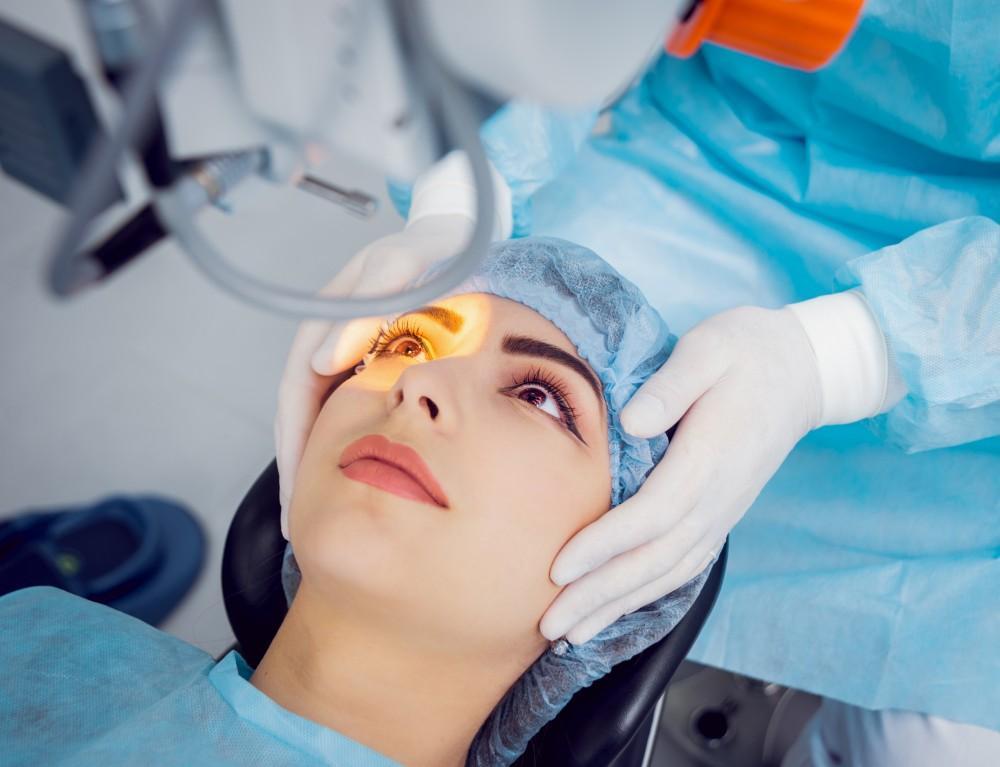
Understanding the surgical process can alleviate many concerns that patients typically have regarding cataract surgery. The procedure is generally performed on an outpatient basis and lasts about 15 to 30 minutes. Prior to the surgery, patients receive dilating drops to widen the pupil, allowing better access for the surgeon. An anesthetic is administered to ensure comfort, commonly via eye drops or an injection around the eye.
Once the patient is comfortable, the surgeon makes a tiny incision on the edge of the cornea – the clear front surface of the eye – to access the lens. In the case of phacoemulsification, ultrasound waves are used to break apart the clouded lens, and a small probe is used to remove the fragments. The surgeon then inserts an artificial intraocular lens (IOL) into the eye; this lens helps to restore clear vision. With advances in technology, these IOLs come in various types, including monofocal, multifocal, and toric lenses, enabling patients to customize their visual outcomes.
Preparing for Surgery: Tips for a Smooth Experience
Preparation can significantly improve the overall experience and outcome of cataract surgery. Prior to the procedure, patients should have an in-depth discussion with their surgeon about the types of lenses available and what will best suit their lifestyle needs, such as whether they need glasses for reading or driving post-surgery. Completing pre-operative tests, such as a comprehensive eye exam and measurements for the IOL, is crucial for successful surgery.
Additionally, it’s advisable to arrange for a responsible adult to accompany and drive the patient home after surgery, as vision may be impaired immediately following the procedure. The night before surgery, patients should follow any dietary restrictions given by their doctor and set out comfortable clothing to wear on the day of the surgery. Clearing out medications, notifying the surgeon of any changes in health, and engaging in relaxation techniques like meditation certainly help as well. By following these guidelines, patients can minimize anxiety and bolster their confidence leading into the surgery.
Post-Surgery Recovery: Fast-Tracking Your Return to Clear Vision
What to Expect in the Days Following Surgery
Post-surgery recovery is typically swift, with many patients experiencing immediate improvements in vision. Initially, it’s not uncommon for vision to appear cloudy or hazy due to residual anesthesia and the healing process. Patients often receive antibacterial and anti-inflammatory eye drops following surgery to promote healing and reduce discomfort. Follow-up appointments are crucial to assess how well the eye is healing and to make any necessary adjustments to the prescribed recovery regimen.
In the first few days post-surgery, it’s essential to adhere to the surgeon’s recommendations regarding activity restrictions, which may include avoiding heavy lifting, strenuous exercise, or bending down to prevent increased pressure in the eye. Patients should also be mindful of how they manage any discomfort, employing cool compresses or over-the-counter pain medications as needed under the guidance of their healthcare provider. Generally, most individuals can resume normal activities within a week or two, enjoying clearer, brighter vision in a remarkably short time frame.
Navigating Common Side Effects: What’s Normal and What’s Not?
As with any surgical procedure, side effects can occur post-cataract surgery. Common experiences include mild discomfort, light sensitivity, and fluctuations in vision. These are generally considered normal and are part of the healing process. However, certain symptoms may require urgent medical attention. Patients should seek immediate medical help if they experience a significant increase in pain, sudden vision loss, noticeable flashes of light, or a significant increase in redness or discharge from the eye, as these may indicate complications such as infection or retinal detachment.
Understanding the baseline of what is considered typical in recovery helps alleviate many concerns patients often have. Frequent communication with healthcare providers during this time is paramount, ensuring that patients feel supported and informed every step of the way during their recovery.
Healing Hacks: Boosting Your Recovery with Simple Tips
While healing from cataract surgery can be a straightforward process, implementing simple tips can enhance recovery and optimize outcomes. Regularly attending follow-up appointments is vital, as the surgeon can monitor progress and intervene if complications arise. Maintaining a healthy diet that is rich in antioxidants, such as fruits and vegetables, can promote healing. Foods high in omega-3 fatty acids, like salmon, may also reduce inflammation.
Hydration is equally important in post-operative care; drinking plenty of water helps maintain overall health and supports recovery. Adequate sleep allows the body to heal more effectively, emphasizing the importance of rest during this period. Finally, refraining from rubbing or putting any pressure on the eye can help avoid any discomfort and ensure the best repair possible. Embracing these practices can facilitate a worry-free recovery, empowering patients with significantly improved vision.
The Future of Vision: Innovations in Cataract Surgery
Cutting-Edge Techniques Taking Over the Surgical Scene
The landscape of cataract surgery is rapidly evolving, with continuous innovations enhancing the precision and outcomes of procedures. One notable advancement is femtosecond laser-assisted cataract surgery (FLACS), which utilizes laser technology for key steps of the procedure, including making incisions, fragmenting the lens, and performing precise capsulotomy. This method is proving to increase safety margins and improve surgical outcomes by offering enhanced accuracy over traditional surgical techniques.
Another groundbreaking trend is the development of advanced intraocular lenses (IOLs). Multifocal and accommodating lenses cater to patients who desire to reduce dependency on glasses post-surgery by providing a range of vision. Recent iterations have improved treatment for astigmatism and other refractive errors, pushing the boundaries of what was once achievable in cataract management.
The Role of Technology: Enhancing Precision and Outcomes
Technology plays a pivotal role in transforming cataract surgery. For instance, advanced imaging systems facilitate personalized treatment plans tailored to each patient’s unique eye anatomy. By deploying measurements achieved through optical coherence tomography (OCT), surgeons gain invaluable insights that inform their surgical strategy, ultimately improving precision in lens placement and enhancing patient satisfaction.
The integration of artificial intelligence and machine learning in pre-operative evaluations is also gaining traction, offering predictive analytics that aid in identifying risk factors and expected surgical outcomes. Furthermore, telemedicine solutions have improved follow-up care, allowing patients to consult with their healthcare providers seamlessly, reducing the barriers to accessing necessary care post-procedure. As advancements continue, the future of cataract surgery appears brighter, with the potential for even safer and more effective outcomes.
Looking Ahead: What’s Next for Cataract Patients?
As we look towards the future, the next generation of cataract treatments promises a more individualized approach. Ongoing research focuses on understanding the molecular mechanisms of cataract formation, paving the way for potential drug-based therapies that could prevent or delay the onset of cataracts altogether. Additionally, genetic testing may identify individuals at higher risk for cataract development, enabling preventive measures to be enacted sooner.
Moreover, the availability of comprehensive support resources, education, and community initiatives continues to grow, providing patients with the knowledge they need to navigate their cataract journey confidently. With advancements in surgical techniques, technology, and patient engagement approaches, the future holds the promise of not just improved vision, but an overall enhancement of the quality of life for those dealing with cataracts.
FAQ
Question: How long does cataract surgery typically take? – The actual surgical procedure for cataracts generally lasts between 15 to 30 minutes. Most patients are able to return home the same day after an outpatient procedure.
Question: What types of lenses are available for cataract patients? – Patients can choose from various types of intraocular lenses (IOLs) such as monofocal, multifocal, and toric lenses, which offer different focus capabilities and can help reduce dependence on glasses after surgery.
Question: Will I need glasses after cataract surgery? – It depends on the type of IOL chosen and individual vision needs. Some patients may still need glasses for specific tasks like reading or driving, while others with multifocal lenses may experience reduced dependency.
Question: How can I prepare for a cataract surgery consultation? – Bring a list of medications you are currently taking, any medical history related to eye conditions, and questions or concerns you may have regarding the surgery and recovery process.
Question: What are some ways to alleviate anxiety before cataract surgery? – Engaging in relaxation techniques such as deep breathing, meditation, and discussing your concerns and expectations with your healthcare provider can help alleviate anxiety before the procedure.
Question: How soon can I return to driving after cataract surgery? – Most patients are advised to avoid driving for at least the first 24 hours after surgery; however, your surgeon will provide specific guidance based on your recovery progress.
Question: Are there any dietary restrictions before cataract surgery? – While specific dietary restrictions may vary by surgeon, generally, you may be advised to avoid eating or drinking anything after midnight on the night before the surgery. Follow any specific instructions provided by your surgeon.
Question: What activities should I avoid during the recovery period? – After cataract surgery, patients should avoid heavy lifting, strenuous exercise, and bending down for several days to minimize pressure in the eye and prevent complications.
Useful Resources
- American Academy of Ophthalmology
- Mayo Clinic
- American Academy of Ophthalmology
- National Heart, Lung, and Blood Institute
- Centers for Disease Control and Prevention
- National Center for Biotechnology Information
- World Health Organization
- Healthline