

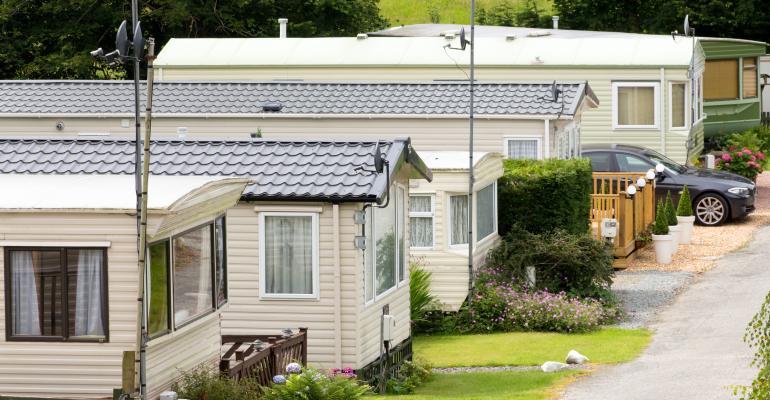
The housing market is evolving, and more people are exploring alternatives to traditional site-built homes. Rising construction costs, tighter budgets, and the demand for quicker housing solutions have created a growing interest in manufactured, prefab, and relocatable homes. These modern housing options are no longer seen as temporary or second-best choices, but as practical, affordable, and sustainable solutions that fit the needs of today’s families, young professionals, and retirees alike.
What Are Manufactured Homes?
Manufactured homes are residential units built in a controlled factory environment and then transported to their final site. Unlike conventional construction, where homes are built entirely on-site, the manufacturing process streamlines production, reduces costs, and ensures consistent quality. These homes can either be fixed on a foundation (prefab homes) or designed to be movable (relocatable homes).
- Prefab homes are delivered in sections and permanently assembled on the land, making them similar to traditional housing but more cost-effective.
- Relocatable homes offer flexibility because they can be moved to a new site if circumstances change, making them ideal for people whose jobs or lifestyles require mobility.
The difference lies in permanence. Prefab homes are fixed to one plot, while relocatable homes provide freedom of movement.
Why Are They Becoming Popular?
Affordability in a Changing Economy
For many households, affordability remains the biggest challenge in homeownership. Buying or building a traditional home requires significant upfront capital, but manufactured homes provide a cost-efficient alternative without compromising on safety or comfort. Because they are produced in factories with bulk materials and streamlined processes, buyers benefit from lower costs compared to conventional builds.
In times of rising living expenses and tight housing supply, manufactured homes allow families to secure a property without the financial strain of traditional mortgages. Renting land for these homes often costs less than renting an entire house, which further reduces long-term expenses.
Faster Construction and Delivery
One of the strongest appeals of manufactured homes is speed. Traditional construction can take months or even years, while factory-built homes are typically completed within weeks. Since manufacturing takes place indoors, weather delays and unpredictable conditions do not affect production. This efficiency ensures quicker move-in times, making them an attractive option for people who need housing solutions without long waits.
Lower Maintenance Costs
With many households tightening their budgets, low-maintenance living has become a key consideration. Manufactured homes are designed with durable materials and modern construction techniques, often requiring fewer repairs and less upkeep compared to older site-built homes. Reduced maintenance means more predictable expenses and financial stability for homeowners.
The Role of Land and Communities
Owning a manufactured home requires access to land, whether through purchase or rental. Some homeowners place their properties on private land, while others choose to live in designated manufactured housing communities.
These communities provide:
- Shared amenities such as parks, gyms, and pools
- Organised layouts for safety and convenience
- A built-in social network for families and retirees
The sense of community and access to amenities make them a strong alternative to traditional suburban living. Renting land in these communities often costs less than leasing a standard home, making it appealing to first-time buyers or those transitioning from renting.
For young adults weighing buy-versus-rent decisions, it’s helpful to research suburbs that pair affordable land options with good job access and local amenities. A practical roundup of the best places to live in Indiana for young adults highlights Indianapolis-area neighborhoods where community infrastructure and shorter commutes make prefabricated or relocatable homes a realistic path to ownership. Comparing proximity to employment, schools, and services alongside land costs can narrow down which communities to visit. That way, you can target areas offering both savings and a lifestyle fit before committing to a plot.
Customisation and Design Flexibility
Another reason manufactured homes are gaining recognition is their level of customisation. Homebuyers can choose:
- Floor plans that fit family size and lifestyle
- Exterior finishes that align with personal style
- Energy-efficient materials that reduce utility bills
- Modern interior layouts with open spaces, natural lighting, and storage solutions
Manufacturers often allow buyers to select features just like they would with a traditional home. Whether opting for a single-story compact design or a spacious multi-section layout, the possibilities are broad. This flexibility ensures that manufactured homes meet both functional and aesthetic preferences.
Comparable to Traditional Homes
Modern manufactured homes are built with strict quality standards and can look nearly identical to site-built houses. They come equipped with plumbing, heating, cooling, and electrical systems designed to meet local building codes. For families with children and stable jobs, prefab homes provide the stability of long-term residence. For individuals who relocate frequently, relocatable homes offer the freedom to bring their living space along without starting over each time.
Sustainability and Eco-Friendly Benefits
Environmental awareness is another factor fueling demand for manufactured housing. Since these homes are built in controlled environments, waste is reduced during the construction process. Energy-efficient insulation, windows, and appliances are often included as standard, making these homes more sustainable in the long run. Lower energy consumption reduces utility costs while supporting eco-friendly lifestyles.
Investment Potential
Manufactured homes can also serve as an entry point into property ownership for those priced out of traditional housing markets. In areas with growing populations and rising real estate prices, owning a manufactured home on affordable land can build equity over time. While land value typically appreciates faster than the structure itself, the combination still represents a stepping stone to long-term wealth building.
Challenges to Consider
While the benefits are significant, there are also considerations to keep in mind:
- Financing can sometimes be more complex, as not all lenders treat manufactured homes the same as conventional properties.
- Zoning regulations vary by location and may limit where these homes can be placed.
- Resale value may not always match traditional homes, although this is improving as perception changes.
Addressing these challenges through proper planning and research helps ensure a smooth path to ownership.
Conclusion
Manufactured homes are no longer viewed as temporary housing, but as cost-effective, flexible, and sustainable solutions for modern living. With affordability, quick construction, design flexibility, and eco-friendly features, they are meeting the needs of diverse demographics, from young professionals to families and retirees. Whether placed on private land or in community settings, manufactured homes provide a practical alternative that blends affordability with lifestyle convenience.
As housing demands grow, manufactured homes are positioned to remain a key part of the future of residential living.