

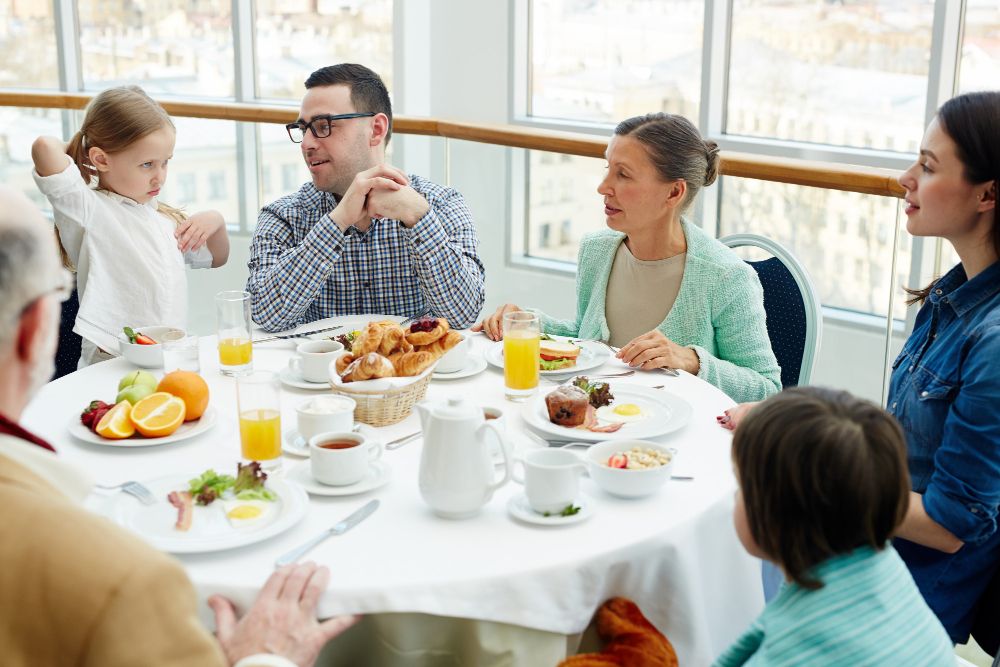
A thoughtfully designed dining space can influence how families interact every day. Beyond serving meals, the dining area often becomes a place where relationships strengthen, experiences are shared, and routines become meaningful. When the environment supports comfort, openness, and participation, conversations begin to happen naturally without effort.
Creating a family friendly dining space does not require expensive furniture or large rooms. Small design choices and intentional habits can transform everyday meals into opportunities for connection.
Why Dining Spaces Matter for Family Communication
Shared meals provide one of the few consistent daily opportunities for families to interact without distraction. The dining environment plays a direct role in how relaxed and engaged people feel during those moments.
Benefits of conversation friendly dining spaces include:
- Stronger emotional connections between family members
- Improved listening habits among children
- Greater sense of belonging at home
- Better sharing of daily experiences
- Reduced dependence on digital distractions during meals
These benefits develop gradually through repeated shared experiences.
Choosing the Right Dining Table Layout for Interaction
The arrangement of seating affects how easily people engage with one another during meals. Layouts that allow eye contact and equal participation support natural conversation flow.
Helpful layout ideas include:
- Round tables that promote equal visibility for everyone
- Rectangular tables with balanced seating arrangements
- Comfortable spacing between chairs
- Placement that avoids crowding or isolation
When seating feels comfortable and inclusive, conversation becomes easier.
Creating Comfortable Seating That Encourages Longer Meals
Physical comfort directly affects how long people stay at the table. If seating feels rigid or cramped, meals tend to end quickly.
Comfort enhancing elements include:
- Supportive dining chairs with proper back alignment
- Cushioned seating where possible
- Appropriate table height for all family members
- Enough room for movement without obstruction
Comfort encourages people to remain present during meals instead of rushing away.
Using Lighting to Create a Relaxed Dining Atmosphere
Lighting influences mood more than most people realize. Soft and balanced lighting helps create a welcoming environment that supports calm interaction.
Effective lighting strategies include:
- Warm overhead lighting above the table
- Avoiding harsh ceiling glare
- Using layered lighting for flexibility
- Positioning fixtures to highlight the dining area clearly
A warm atmosphere helps conversations feel natural rather than formal.
Minimizing Digital Distractions Around the Dining Area
Technology interruptions often reduce the quality of family interaction during meals. Creating device free dining habits strengthens attention and communication.
Practical steps include:
- Keeping phones away from the table
- Avoiding television during meals
- Encouraging shared discussion topics instead
- Setting clear family expectations about screen use
Reducing distractions improves engagement across all age groups.
Adding Personal Touches That Make the Space Welcoming
Personal elements help transform a dining space from functional to meaningful. When the environment reflects family identity, people feel more connected to it.
Ideas for personalization include:
- Displaying family photos nearby
- Using tableware chosen together
- Adding seasonal decorations
- Including plants or natural elements
These details create warmth without overwhelming the space.
Encouraging Participation From All Family Members
A conversation friendly dining environment includes everyone. Participation builds confidence and strengthens family relationships.
Ways to encourage involvement include:
- Allowing children to help set the table
- Rotating simple meal preparation tasks
- Inviting each person to share something about their day
- Celebrating small achievements during meals
Participation builds a sense of responsibility and belonging.
Keeping the Dining Area Organized and Clutter Free
Clutter can create visual stress and reduce comfort. A clean and simple dining environment supports relaxed interaction.
Helpful organization habits include:
- Clearing unnecessary items from the table
- Keeping serving arrangements simple
- Maintaining easy movement around chairs
- Storing unrelated household items elsewhere
An organized space invites people to stay longer and communicate openly.
Choosing Colors That Support Calm Interaction
Color influences mood and energy levels. Calm and balanced tones often work best in family dining spaces.
Recommended color approaches include:
- Warm neutral shades for walls
- Natural wood textures for furniture
- Soft accent colors through table settings
- Balanced contrast without overwhelming brightness
These choices support a welcoming environment for daily gatherings.
Creating Consistent Meal Time Routines That Strengthen Connection
Consistency turns occasional conversations into meaningful traditions. Predictable routines make shared meals more valuable over time.
Simple routine ideas include:
- Eating together at similar times each day
- Beginning meals with short shared reflections
- Ending meals with appreciation conversations
- Keeping the dining area ready before mealtime begins
Routine encourages participation without pressure.
Frequently Asked Questions
How large should a family dining space ideally be
The space should allow comfortable seating movement and clear walking paths around the table rather than focusing only on room size.
Can small apartments support conversation friendly dining spaces
Yes. Even compact dining corners can encourage meaningful interaction when seating arrangement and lighting are planned carefully.
How often should families aim to eat together each week
Regular shared meals several times a week can significantly strengthen communication and connection over time.
What type of dining furniture works best for families with young children
Durable surfaces, rounded table edges, and easy to clean materials support both safety and convenience for families with younger members.
Should dining spaces be separated from living areas for better interaction
Separation is not required. Clearly defining the dining area visually can still support focused conversation even in open layouts.
How can families maintain conversation habits as children grow older
Inviting opinions, respecting individual schedules, and keeping mealtime welcoming helps older children remain engaged in shared meals.
What role does background sound play in family dining conversations
Soft background sound can create comfort, but excessive noise often reduces attention and makes conversation more difficult.