

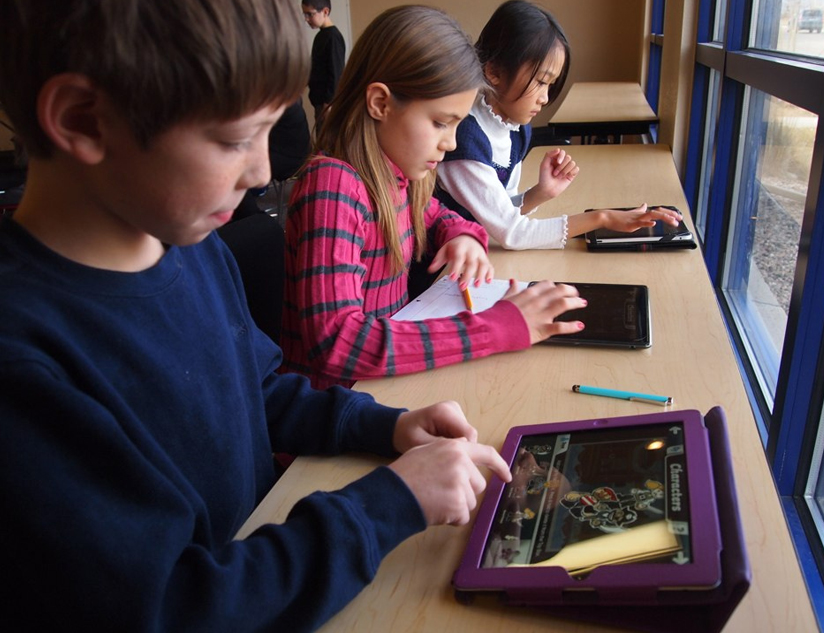
Embracing the Future: The Role of Technology in Modern Education
From Chalkboards to Smartboards: A Brief Journey Through Educational Tech Evolution
Over the last few decades, the landscape of education has been dramatically reshaped by technological advancements. The transition from traditional chalkboards to interactive smartboards exemplifies this evolution, highlighting how educational tools have become more dynamic and engaging. Initially, classrooms were characterized by static content delivery methods, largely reliant on rote learning. However, as technology began to permeate various aspects of life, it brought forth an innovative approach to learning that emphasizes interaction and engagement.
The introduction of multimedia presentations revolutionized how information is disseminated, enabling educators to incorporate videos, animations, and interactive modules. This shift wasn’t just about modernization; it was a fundamental rethinking of pedagogical approaches. As we entered the digital age, tools like tablets and laptops became commonplace in classrooms, empowering students to access information instantaneously and collaborate more effectively. The integration of the Internet further broadened educational horizons, allowing for a wealth of resources to be at students’ fingertips, transforming passive learning into active exploration.
Today, as we stand on the cusp of further technological innovations, including Artificial Intelligence (AI) and Virtual Reality (VR), it becomes increasingly evident that modern education is about creating immersive experiences. These tools are designed not only to enhance understanding but also to foster critical thinking and problem-solving skills. They play a vital role in tailoring educational experiences to diverse learning styles, ensuring every student has the opportunity to thrive. This journey from chalkboards to smartboards illustrates that embracing technology in education isn’t merely optional; it’s a necessity in an ever-evolving world.
Why Integrating Technology is No Longer Optional for Today’s Classrooms
In the current educational climate, the integration of technology has transcended the realm of mere enhancement and has become a fundamental necessity. With the relentless march of global connectivity, educational institutions are obliged to prepare students for a world where technological fluency is an integral part of personal and professional success. The traditional learning models are being replaced by paradigms that emphasize personalized learning, where technology offers tailored educational experiences designed to meet individual student needs.
Furthermore, in light of the recent global disruptions caused by events like the COVID-19 pandemic, educational systems have witnessed an accelerated shift towards digital platforms. Remote learning became not just a trend but a survival mechanism, highlighting the imperative for educators to develop competencies in various technological tools. Future readiness necessitates a curriculum that weaves technology into the daily fabric of learning—not merely as an adjunct but as an essential component for delivering quality education.
The ability to harness various technological tools equips students not just with skills but also with opportunities for experiential learning. Innovation in assessment techniques, collaborative tools, and learning management systems provide educators with the necessary data to adapt their teaching methods. Consequently, the question is no longer whether education should integrate technology, but rather how it can be effectively implemented to foster vibrant, interactive, and engaging learning environments conducive to all learners.
The Impact of AI and Virtual Reality on Student Engagement
Artificial Intelligence (AI) and Virtual Reality (VR) are reshaping educational experiences, redefining the boundaries of student engagement and learning effectiveness. AI, in particular, enhances educational processes by providing personalized learning experiences that adjust to each student’s pace, preferences, and learning style. For example, AI-driven tutoring systems can analyze a student’s performance in real time and adapt instructional strategies accordingly, offering targeted support where needed. The result is not just more effective learning but a more satisfying educational journey that intrinsically motivates learners and encourages deeper exploration.
Virtual Reality, on the other hand, enables immersive learning experiences that transport students to otherwise inaccessible environments. Imagine biology students exploring the human body from the inside or history students walking through ancient civilizations—all within a classroom setting. Such vivid experiences can spark curiosity, enhance retention, and inspire a lifelong passion for learning. This immersion creates powerful emotional connections to the content, significantly boosting engagement levels.
The synergistic effect of AI and VR is particularly potent in collaborative settings where peer interactions are essential for learning. Students can work together in a virtual space, solving problems and creating projects, while AI systems help facilitate these interactions by predicting group dynamics or optimizing work flows. The ultimate goal remains: to make education not simply about rote learning, but about creating curious, engaged, and proficient learners poised for success in a tech-savvy world.
Designing for Learning: How to Create Tech-Friendly Spaces
Optimal Layouts: Blending Comfort and Technology for Maximum Learning
The physical layout of tech-friendly educational spaces dramatically influences learning outcomes. A well-designed tech-friendly classroom incorporates elements that blend comfort and technology seamlessly. Traditional rows of desks face forward, but research indicates that collaborative arrangements foster peer interactions, critical discussions, and teamwork skills. Flexible seating options, such as movable desks, lounge areas, and even standing desks, enable educators to customize their classroom layout based on lesson objectives. Additionally, students benefit from the autonomy to choose a setting that enhances their concentration and comfort, thus maximizing their learning potential.
Moreover, the integration of technology requires consideration of infrastructure such as adequate power supply, reliable Wi-Fi, and smart screens to support digital tools. Tech-friendly educational spaces should be designed with accessible charging stations and sufficient bandwidth to accommodate various devices simultaneously. The layout should not only consider the presence of technology but ensure that it augments the educational experience, transforming classrooms into learning hubs that promote dynamic teaching and active learning.
Ultimately, the design of learning environments must embrace adaptability. Spaces that can be easily reconfigured to cater to different teaching styles and curricula are invaluable in a rapidly changing educational landscape. By carefully considering these factors, educators can foster an atmosphere where technology becomes a natural extension of the learning process, accommodating diverse learner needs and preferences.
Color and Light: Crafting an Environment That Inspires Creativity and Focus
The psychology of color and the quality of lighting in educational spaces play crucial roles in shaping student experiences. Research indicates that colors can evoke specific emotional responses, influence mood, and enhance cognitive function. For instance, soft blues and greens can create a calming atmosphere conducive to focus, while yellows and oranges can stimulate creativity and enthusiasm. Incorporating color theory into classroom design not only makes spaces more visually appealing but also supports learning objectives by enhancing mood and motivation.
In conjunction with color, lighting is equally paramount in creating effective learning environments. Natural light, for instance, has been found to improve student performance, while harsh fluorescent lights can lead to fatigue and decreased attention spans. Therefore, integrating large windows, skylights, and energy-efficient LED lighting solutions creates spaces that are not only sustainable but also supportive of student well-being. In addition, adjustable lighting options allow educators to tailor classroom brightness based on different activities, whether for quiet reflection or stimulating group discussions.
Ultimately, creating an inspiring environment that fosters creativity, focus, and engagement requires thoughtful consideration of both color and light. By utilizing these elements effectively, educational spaces can transform into vibrant communities of learning, encouraging students to explore, collaborate, and innovate.
Flexible Furniture Solutions That Keep Up with Modern Educational Needs
The choice of furniture in educational settings directly impacts how technology is utilized and, subsequently, how effective learning can be. Flexible furniture solutions are essential in modern classrooms, allowing for adaptability, configurations, and personalized learning experiences. For instance, modular furniture that can be easily moved or rearranged facilitates collaborative learning, project-based activities, and even individual study times. This adaptability not only accommodates diverse teaching styles but also reflects the dynamic nature of contemporary education.
The incorporation of multi-functional furniture is likewise crucial. Desks that can transform into standing workstations or tables that can be adjusted to different heights encourage physical movement among students, which can positively affect focus and retention. Moreover, lightweight, mobile furniture pieces make it easier for educators to quickly reconfigure the space based on the day’s learning goals, ultimately fostering a more engaging educational environment.
Furthermore, durable and sustainable materials should be prioritized to ensure that furniture withstands the rigors of daily student use while also aligning with broader environmental considerations. Furniture solutions should not only look appealing but also prioritize ergonomics and comfort, as these factors profoundly influence student engagement and productivity in the classroom.
Training Educators: Equipping Teachers for a Tech-Savvy Classroom
Professional Development: Making Educators Comfortable with New Technologies
As technology continues to evolve, it is imperative that educators receive ongoing professional development focused on integrating these advancements seamlessly into their teaching strategies. To truly harness the power of technology, educators need access to comprehensive training sessions that cover not only the basics of using hardware and software but also advanced pedagogical strategies that leverage these tools effectively. Workshops, webinars, and hands-on training can help bridge the gap between technology and educational practice, equipping teachers with the skills they need to drive innovative educational methodologies.
Moreover, fostering a culture of continuous learning and experimentation among educators is crucial. Schools should encourage teachers to explore new technologies, participate in innovation labs, or undertake peer-to-peer mentoring. This collaborative approach fuels professional growth and inspires creativity as teachers share successful strategies and resources with one another. In doing so, educators cultivate a mindset that embraces change and views technology as an enabler of enhanced learning experiences.
Ultimately, investing in professional development that emphasizes comfort with technology empowers educators to be catalysts for positive change in their classrooms. The more proficient they become in digital tools, the more likely they are to inspire their students, setting a precedent for a tech-savvy educational culture that supports adaptability and innovation.
Leveraging Online Communities for Continuous Learning and Support
As educators navigate the complexities of integrating technology into their teaching environments, leveraging online communities can prove invaluable. Online forums, social media groups, and networking sites provide platforms where teachers can connect, share resources, and collaborate on best practices. These virtual spaces offer opportunities for continuous learning and support, enabling educators to access a wealth of knowledge and experiences from peers across the globe.
Engaging in collaborative online communities allows teachers to seek assistance for specific challenges, share successful lessons, and access relevant professional development resources. For example, platforms like Edutopia, TeachersPayTeachers, and various educator-specific social media groups connect educators who face similar hurdles, facilitating support systems that enhance professional growth.
Moreover, participating in these online spaces allows educators to remain informed about the latest technological trends and pedagogical strategies poised to influence education. As they exchange insights on emerging tools and innovations, educators can collectively adapt their practices to optimize learning outcomes for students. By fostering a sense of community and shared learning, educators contribute to a culture of innovation and resilience that can significantly enhance teaching effectiveness in tech-driven classrooms.
Strategies for Integrating Technology into the Curriculum Effectively
To authentically embrace technology in the classroom, it is vital for educators to develop strategies that integrate digital tools meaningfully into the curriculum. One effective approach is Project-Based Learning (PBL), which allows students to engage deeply with content while utilizing technology to research, create, and present solutions to real-world problems. By encompassing various forms of technology, from digital research to video editing, students gain both subject knowledge and technology skills simultaneously.
Moreover, the use of blended learning models—combining traditional face-to-face instruction with online components—provides flexibility in delivering content and caters to various learning styles. Educators can curate online resources that align with in-class activities, empowering students to take ownership of their learning journey. Additionally, involving students in the decision-making process regarding the types of technology they utilize fosters autonomy and increases engagement. This not only creates a more personalized learning experience but also nurtures essential skills such as critical thinking and adaptability.
Furthermore, regular assessment and feedback are essential components of successful technology integration. Educators should utilize formative assessments to monitor student progress and gauge the effectiveness of different technologies. By analyzing the impact of various digital tools on learning outcomes, instructors can make informed adjustments to their strategies, ensuring that technology serves as a bridge rather than a barrier in achieving educational goals.
Future Proofing Education: Preparing Students for Tomorrow’s Challenges
Critical Thinking and Problem-Solving: The Skills Students Need in a Tech-Forward World
In a world increasingly driven by technological advancements, the ability to think critically and solve complex problems has become paramount. To prepare students for success in a tech-forward society, educational systems must prioritize the development of these essential skills. Traditional rote learning cannot equip students for the challenges ahead; instead, embracing instructional strategies that foster inquiry and enable problem-solving will be crucial.
Project-based learning, as previously highlighted, serves as an optimal approach for cultivating critical thinking and problem-solving skills. Students are presented with authentic challenges, and through collaboration, research, and iteration, they develop innovative solutions. Moreover, educators can integrate real-world case studies and scenarios within the curriculum, allowing students to practice critical analysis and decision-making in relevant contexts. This approach encourages learners to question assumptions, explore multiple perspectives, and continually adapt their viewpoints based on new information.
Furthermore, the integration of technology into this process enhances opportunities for simulations and experiential learning. Using virtual environments to test hypotheses or apply theoretical models provides students with tangible experiences that deepen their understanding and sharpen their problem-solving abilities. Instilling these skills prepares students to navigate an increasingly complex world where adaptability and critical analysis are not just advantageous but essential for success.
Encouraging Adaptability: Helping Students Navigate Rapid Changes in Technology
In the midst of rapid technological evolution, adaptability is among the most critical skills students must develop. The pace at which technology transforms industries demands a workforce that can pivot and embrace change with agility. Schools play a vital role in fostering adaptability by creating curricular frameworks that encourage students to embrace uncertainty, explore new technologies, and develop flexibility in their learning approaches.
Educators can implement design thinking methodologies that focus on empathy, ideating, prototyping, and testing. This iterative process nurtures a mindset geared towards experimentation and continuous improvement—key facets of adaptability. By allowing students to explore projects that require them to pivot based on feedback or emerging trends, educators cultivate resilience and an openness to change.
Moreover, encouraging students to engage with emerging technologies—be it through coding workshops, robotics clubs, or maker spaces—creates a natural inclination towards experimentation and exploration. This experience demystifies technology and encourages a proactive rather than reactive response to change. By embedding adaptability into the learning ethos, educators prepare future generations to navigate not only today’s technologies but also those that have yet to emerge.
The Importance of Digital Literacy in a Connected Society
As digital devices and the internet become ubiquitous, the ability to navigate the digital landscape with competence and confidence emerges as a fundamental skill for students. Digital literacy encompasses the skills needed to critically evaluate online information, communicate effectively in digital formats, and engage responsibly and ethically within digital spaces. In an age where misinformation proliferates, cultivating discerning consumers of information is imperative.
Schools must take an active role in teaching digital literacy by integrating it across the curriculum. From evaluating online sources to understanding data privacy and security, educators can equip students with the knowledge to responsibly engage in our increasingly connected society. Moreover, the responsible use of technology extends to understanding the repercussions of screen time, online interactions, and social media behaviors, emphasizing a holistic approach to digital citizenship.
Encouraging students to participate in discussions surrounding ethics in technology also helps foster a critical awareness of their digital footprints and the implications of their online actions. Thereby, digital literacy education is not only about acquiring technical skills but also about nurturing responsible, empathetic, and informed digital citizens. By prioritizing this foundational competency, educators can ensure that future generations are not only capable users of technology but also considerate stewards of the digital spaces they inhabit.
FAQ
Question: What are some effective methods for assessing the impact of technology on student learning? – Regular assessments and feedback are essential components of successful technology integration. Educators should utilize formative assessments to monitor student progress and gauge the effectiveness of different technologies to make data-driven adjustments.
Question: How can parents support their children in adapting to a tech-friendly educational environment? – Parents can foster a positive attitude towards technology by engaging in discussions about its benefits, encouraging exploration of various digital tools, and participating in their children’s learning processes, such as helping with tech-related assignments.
Question: What are the challenges educators face when integrating technology in the classroom? – Some challenges include lack of training, insufficient infrastructure, resistance to change, and the need to balance technology with traditional teaching methods while ensuring equitable access for all students.
Question: How can students be taught to evaluate the credibility of online sources? – Educators can integrate lessons on digital literacy that include teaching students to check for author credentials, publication dates, references, and potential biases in the information they encounter online.
Question: What role do educators play in shaping students’ digital citizenship? – Educators are instrumental in promoting responsible online behavior by teaching students about privacy, security, appropriate online communication, and the ethical implications of their digital actions.
Question: How can collaboration be enhanced in tech-driven classrooms? – By utilizing collaborative technologies such as shared digital platforms, project management tools, and interactive applications, educators can create environments that encourage teamwork, peer feedback, and group projects.
Question: What strategies can educators use to ensure personalized learning experiences through technology? – Educators can implement tools such as adaptive learning software, personalized learning plans, and student choice in technology use to meet diverse learning styles and needs.
Question: How important is teacher collaboration in the integration of technology in education? – Teacher collaboration is crucial as it allows educators to share best practices, resources, experiences, and support each other in navigating the challenges of integrating technology into their classrooms effectively.