

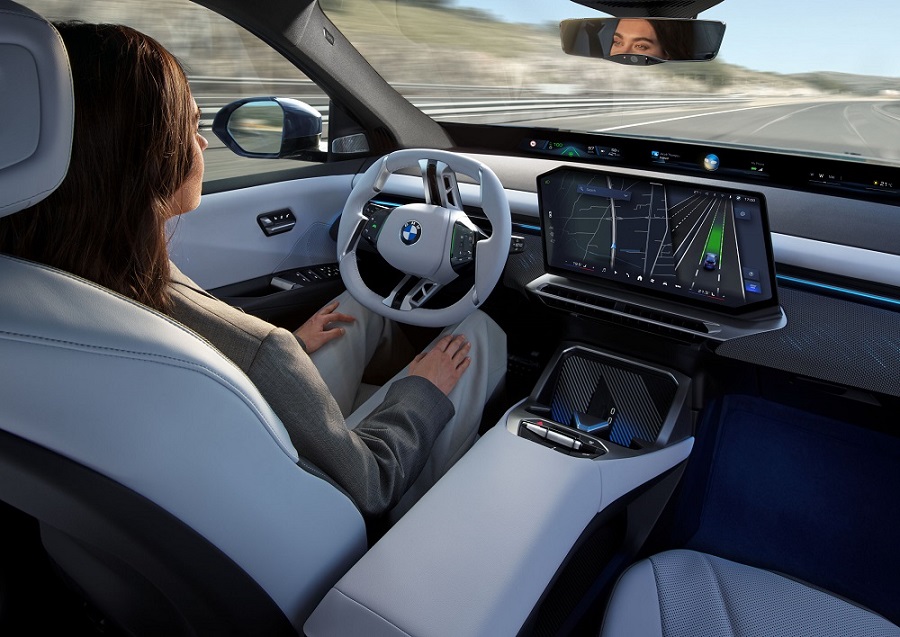
Introduction to Autonomous Vehicles
Autonomous vehicles are transforming the future of transportation by introducing advanced systems that allow cars to operate with minimal or no human intervention. These vehicles rely on artificial intelligence, sensors, cameras, radar, and machine learning algorithms to interpret road conditions and make driving decisions in real time.
As the technology evolves, expectations around road safety are also changing. Autonomous driving systems are designed to reduce accidents caused by human error while improving traffic efficiency and mobility accessibility.
Understanding Levels of Vehicle Automation
Autonomous vehicles are categorized into different automation levels based on how much control the vehicle has over driving tasks.
Key automation levels include:
- Level 0: No automation with full driver control
- Level 1: Driver assistance such as cruise control
- Level 2: Partial automation including steering support
- Level 3: Conditional automation with system decision making
- Level 4: High automation in specific environments
- Level 5: Full automation without driver involvement
These stages represent the gradual transition from human driven vehicles to fully autonomous transportation systems.
Why Autonomous Vehicles Matter for Road Safety
Human error contributes to a large percentage of road accidents worldwide. Autonomous driving systems aim to reduce these risks by replacing unpredictable human behavior with precise machine responses.
Expected safety improvements include:
- Reduced distracted driving incidents
- Lower risk of fatigue related accidents
- Faster reaction times than human drivers
- Improved traffic flow coordination
- Enhanced collision avoidance systems
As adoption increases, roads may become safer and more predictable for all users.
Technologies Powering Autonomous Vehicle Safety
Autonomous vehicles depend on multiple technologies working together to monitor surroundings and respond intelligently.
Core technologies include:
Sensor Systems
Sensors detect objects, pedestrians, road signs, and lane markings. These systems create a continuous environmental map that guides driving decisions.
Artificial Intelligence Algorithms
Machine learning enables vehicles to interpret data, predict movement patterns, and adapt to changing traffic conditions.
Radar and LiDAR Systems
Radar detects distance and speed of surrounding objects while LiDAR generates detailed three dimensional road maps.
Vehicle Communication Networks
Connected vehicles exchange information with other vehicles and infrastructure to improve coordination and safety awareness.
Expected Impact on Accident Reduction
Autonomous vehicles are designed to minimize the most common causes of accidents associated with human driving.
Major improvements may include:
- Reduced rear end collisions through automatic braking
- Improved lane discipline using smart steering correction
- Better pedestrian detection systems
- Safer highway merging and overtaking decisions
- Consistent speed management in traffic conditions
These advancements support safer driving environments over time.
Challenges Affecting Autonomous Vehicle Safety
Despite progress, several challenges still influence the safe integration of autonomous vehicles into everyday traffic systems.
Key concerns include:
- Complex urban traffic behavior interpretation
- Weather related sensor limitations
- Cybersecurity risks in connected vehicles
- Legal responsibility in accident situations
- Infrastructure readiness in developing regions
Addressing these challenges remains essential before large scale deployment becomes common.
Role of Governments in Autonomous Road Safety
Governments play a critical role in shaping policies that regulate autonomous vehicle deployment and ensure public safety.
Important government responsibilities include:
- Creating safety testing standards
- Developing smart road infrastructure
- Establishing liability frameworks
- Supporting research and innovation
- Promoting public awareness programs
Clear regulations help build trust and accelerate adoption responsibly.
Benefits for Urban Mobility and Traffic Management
Autonomous vehicles can reshape city transportation by improving efficiency and reducing congestion.
Potential mobility advantages include:
- Optimized traffic signal coordination
- Reduced traffic congestion in busy areas
- Improved accessibility for elderly passengers
- Safer shared transportation systems
- More efficient parking management
These improvements contribute to smarter and more sustainable cities.
Future Expectations for Road Safety with Autonomous Vehicles
The future of autonomous mobility is closely connected to safer transportation ecosystems. As technologies mature, vehicles will increasingly operate with predictive awareness and cooperative communication capabilities.
Future expectations include improved coordination between vehicles, reduced accident severity, intelligent traffic routing systems, and safer interactions between vehicles and pedestrians. Continued collaboration between manufacturers, policymakers, and infrastructure planners will shape how quickly these benefits become reality.
Conclusion
Autonomous vehicles represent a significant advancement in transportation safety and efficiency. While challenges remain, continued technological innovation and regulatory support are expected to reduce accident risks and enhance driving reliability. As adoption grows, autonomous systems may become a foundation for safer roads and smarter mobility networks.
Frequently Asked Questions
How safe are autonomous vehicles compared to traditional cars
Autonomous vehicles are designed to reduce human error related accidents, but their overall safety depends on technology maturity and infrastructure support.
Do autonomous vehicles eliminate the need for drivers completely
Only fully automated vehicles at the highest automation level operate without driver involvement, and such systems are still under development.
Can autonomous vehicles operate safely in heavy traffic conditions
Advanced systems are being trained to handle complex traffic environments, though performance varies depending on automation level and location.
What role does artificial intelligence play in autonomous driving safety
Artificial intelligence helps vehicles analyze surroundings, predict risks, and make driving decisions in real time.
Are autonomous vehicles vulnerable to cybersecurity threats
Connected systems can face cybersecurity risks, which manufacturers address through continuous software protection updates.
Will autonomous vehicles reduce insurance costs in the future
As accident rates decrease, insurance models may evolve to reflect lower risk levels associated with automated driving systems.
How soon will autonomous vehicles become common on public roads
Gradual adoption is expected over the coming years as regulations, infrastructure, and technology continue to develop.