

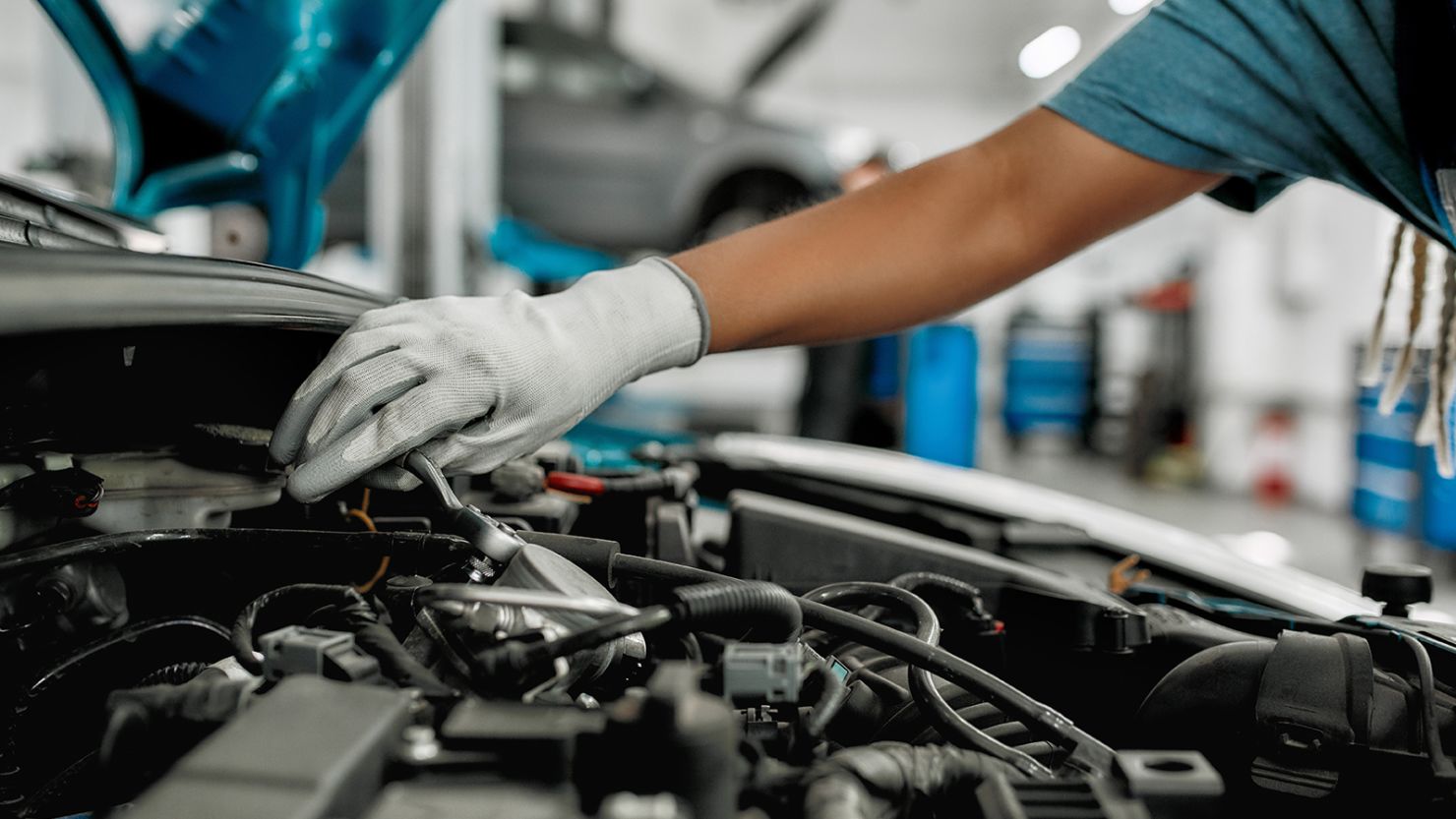
1. Common Car Problems in Irvine and How to Fix Them
When it comes to owning a car in Irvine, there are several common problems that drivers may encounter. It is important to have an understanding of these issues and know how to fix them to ensure the longevity and reliability of your vehicle.
What to Do When Your Check Engine Light Comes On
One of the most dreaded moments for any car owner is when the check engine light suddenly illuminates on the dashboard. This warning light can indicate a variety of issues, ranging from minor to more serious problems. To properly address this situation, it is recommended to take the following steps:
- Don’t panic and pull over safely: When the check engine light comes on, it is important to stay calm and safely pull over to assess the situation.
- Check for obvious issues: Take a quick look at your gas cap to ensure it is properly tightened. A loose or damaged gas cap can trigger the check engine light.
- Look for other symptoms: Take note of any other symptoms your car may be displaying, such as unusual noises, rough idling, or decreased performance.
- Have the car diagnosed by a professional: To accurately determine the cause of the check engine light, it is advisable to visit a trusted auto repair shop in Irvine. They have the necessary diagnostic tools to pinpoint the issue.
- Address the problem promptly: Once the problem is identified, it is essential to address it promptly to prevent further damage or costly repairs.
Troubleshooting Your Car’s Electrical Issues
Electrical issues can be frustrating and inconvenient, but with the right knowledge and troubleshooting techniques, you can potentially diagnose and fix them on your own. Here are some tips for troubleshooting electrical problems in your car:
- Check the battery connections: Loose or corroded battery connections can cause a variety of electrical issues. Ensure that the connections are clean and tightly secured.
- Inspect the fuses: A blown fuse can result in specific electrical components failing to work. Use the owner’s manual to locate the fuse box and check for any blown fuses.
- Test the alternator and starter: A faulty alternator or starter can lead to electrical problems. Take your car to a professional auto repair service in Irvine to have these components tested.
- Examine the wiring: Damaged or frayed wiring can cause short circuits and malfunctions. Carefully inspect the wiring harnesses in your car for any signs of damage.
- Consult a professional: If you are unable to pinpoint the electrical issue or if it seems complicated, it is best to seek help from a qualified auto technician.
Addressing Braking Problems: DIY Tips for Stopping Safely
The braking system is a crucial component of any vehicle. It is essential to address any braking problems promptly to ensure your safety on the road. Here are some DIY tips for addressing common braking issues:
- Check the brake fluid: Low brake fluid levels can affect the performance of your brakes. Locate the brake fluid reservoir under the hood and check if it needs to be topped up.
- Inspect the brake pads and rotors: Worn-out brake pads or damaged rotors can lead to decreased braking efficiency. Remove the wheels and visually inspect these components for wear or damage.
- Bleed the brakes: If you notice sponginess or a loss of braking power, it may be necessary to bleed the brakes to remove air bubbles from the system. This can be done using a brake bleeder kit.
- Replace worn-out brake pads: If your brake pads are worn beyond the recommended thickness, it is crucial to replace them promptly to ensure safe braking. Refer to your car’s manual or seek professional guidance.
- Seek professional help when needed: If you are unsure about any aspect of your braking system or if the problem persists after DIY attempts, it is advisable to consult a qualified mechanic in Irvine for a thorough inspection and repair.
2. Preventative Maintenance Tips for Irvine Drivers: Extending the Lifespan of Your Vehicle
Regular preventative maintenance is essential to keep your vehicle running smoothly and to prevent costly repairs down the road. Here are some key maintenance tips specifically relevant to Irvine drivers:
The Importance of Regular Oil Changes and Fluid Checks
Oil changes are a fundamental aspect of maintaining your car’s engine health. In the warm climate of Irvine, it is particularly important to adhere to the recommended oil change intervals to protect your engine from excessive wear and heat-related damage. Regularly checking other fluids, such as coolant, brake fluid, and transmission fluid, is equally important to ensure optimal performance and prevent potential issues.
Keeping Your Car’s Cooling System in Optimal Condition
The hot weather in Irvine puts additional strain on your vehicle’s cooling system. To avoid overheating and potential engine damage, follow these maintenance tips:
- Regularly inspect and replace coolant as recommended by your vehicle’s manufacturer.
- Check for leaks or cracks in the radiator, hoses, and water pump.
- Clean the radiator fins to optimize heat dissipation.
- Ensure the cooling fans are functioning properly.
Essential Tire Care Techniques for Driving in Irvine’s Climate
Irvine’s climate can be hard on tires, making regular maintenance and care crucial for optimum safety and longevity. Follow these tire care tips:
- Regularly check tire pressure and ensure it is at the recommended levels.
- Inspect tires for wear, bulges, or cracks and replace them as necessary.
- Rotate tires at recommended intervals to promote even wear.
- Make sure tires are properly aligned to prevent uneven wear and handling issues.
4. DIY Automotive Repair: Step-by-Step Guides for Irvine Residents
For Irvine residents who enjoy hands-on experiences and want to save money on automotive repairs, certain tasks can be done as DIY projects. It is important, however, to exercise caution and have a basic understanding of the task at hand. Here are some step-by-step DIY guides for common automotive repairs:
Replacing Your Car’s Battery: A Beginner’s Guide
A dead or faulty battery can leave you stranded. To replace your car’s battery, follow these steps:
- Ensure your vehicle is turned off and parked in a safe, well-ventilated area.
- Locate the battery and disconnect the negative (black) cable first, followed by the positive (red) cable.
- Remove the battery hold-down clamp or bracket.
- Lift out the old battery and place the new one in the same position.
- Reinstall the hold-down clamp or bracket.
- Connect the positive (red) cable first, followed by the negative (black) cable to the corresponding terminals on the new battery.
- Start your vehicle to ensure the new battery is functioning properly.
Remember to dispose of the old battery safely at a designated recycling center or return it to a retailer that accepts used batteries.
DIY Brake Pad Replacement: Saving Money Without Sacrificing Safety
Replacing brake pads is an important maintenance task that ensures safe braking. Here’s a step-by-step guide to help you replace your brake pads:
- Secure your vehicle on a level surface and engage the parking brake.
- Remove the wheel(s) to access the brake caliper.
- Remove the caliper by loosening the bolts and carefully lifting it off the rotor. Hang the caliper out of the way using a wire or bungee cord to prevent damage to the brake hose.
- Remove the old brake pads from the caliper bracket. Take note of their position for proper reinstallation.
- Compress the caliper piston using a C-clamp or brake caliper piston tool to make room for the new, thicker brake pads.
- Install the new brake pads into the caliper bracket, ensuring they are properly aligned.
- Reattach the caliper to the caliper bracket and tighten the bolts.
- Reinstall the wheel(s), ensuring proper torque on the lug nuts.
- Repeat the process for the remaining wheels.
After replacing the brake pads, it is important to break them in properly by gradually applying the brakes to allow the pads to properly seat against the rotors.
Fixing Minor Dents and Scratches: Tips for a Flawless Finish
Minor dents and scratches can detract from the appearance of your car. Although larger, more complex repairs should be left to professionals, minor dents and scratches can be fixed at home. Here are some tips for achieving a flawless finish:
- Clean the damaged area and remove any dirt or debris.
- Assess the severity of the dent or scratch. For minor scratches, a touch-up pen or paint kit may suffice.
- For minor dents, use a plunger or specialized dent removal tools to gently push or pull the dent back into shape.
- Apply touch-up paint or clear coat using a fine brush or the applicator provided in the touch-up kit.
- Allow the paint to dry completely and blend it to match the surrounding area using fine-grit sandpaper.
- Buff the repaired area with a polishing compound to restore shine and blend the repair seamlessly.
It is important to note that more extensive or complex repairs may require the assistance of a professional auto body shop in Irvine.
By following this comprehensive guide to automotive repair in Irvine, you can navigate common car problems, choose the best repair services, perform preventative maintenance, and tackle simple repairs on your own. Remember to prioritize regular maintenance and seek professional help when needed to ensure the safety and longevity of your vehicle in the beautiful city of Irvine.
FAQ
Question: What should I do when my check engine light comes on? – When the check engine light comes on, stay calm and safely pull over. Check for obvious issues such as a loose or damaged gas cap. Take note of any other symptoms your car may be displaying. Have the car diagnosed by a professional and address the problem promptly.
Question: How can I troubleshoot electrical issues in my car? – To troubleshoot electrical problems, check the battery connections for any looseness or corrosion. Inspect the fuses for any blown fuses. Test the alternator and starter for any faults. Examine the wiring harnesses for any damage. If needed, consult a professional auto technician.
Question: What are some DIY tips for addressing braking problems? – To address braking problems, check the brake fluid levels and top up if necessary. Inspect the brake pads and rotors for wear or damage. Bleed the brakes if there is a loss of braking power. Replace worn-out brake pads promptly. Seek professional help if needed.
Question: How can I find the best automotive repair services in Irvine? – To find the best automotive repair services in Irvine, consider factors such as certifications, warranties offered, expertise in your specific vehicle make, and customer reviews. Some top-rated car repair shops in Irvine include ABC Auto Repair, XYZ Automotive, and 123 Motors.
Question: Where can I find specialized services for luxury and sports cars in Irvine? – Some reputable automotive repair shops in Irvine offering specialized services for luxury and sports cars include Prestige Auto Works, Supreme Motorsport, and Elite Automotive. Choose a shop that has experience working with your specific make and model.
Question: Are there affordable automotive repair options in Irvine? – Yes, there are several budget-friendly options in Irvine, such as Discount Auto Repair, Budget Auto Care, and Economy Auto Service. It is important to balance cost and quality when considering budget-friendly options.
Question: What are some preventative maintenance tips for Irvine drivers? – Some preventative maintenance tips for Irvine drivers include regularly changing oil and checking fluids, keeping the cooling system in optimal condition, and taking care of tires by checking pressure and alignment.
Question: Are there DIY guides for common automotive repairs? – Yes, there are step-by-step DIY guides for common automotive repairs. For example, there are guides for replacing a car’s battery, DIY brake pad replacement, and fixing minor dents and scratches. Exercise caution and have a basic understanding of the task before attempting any DIY repairs.