

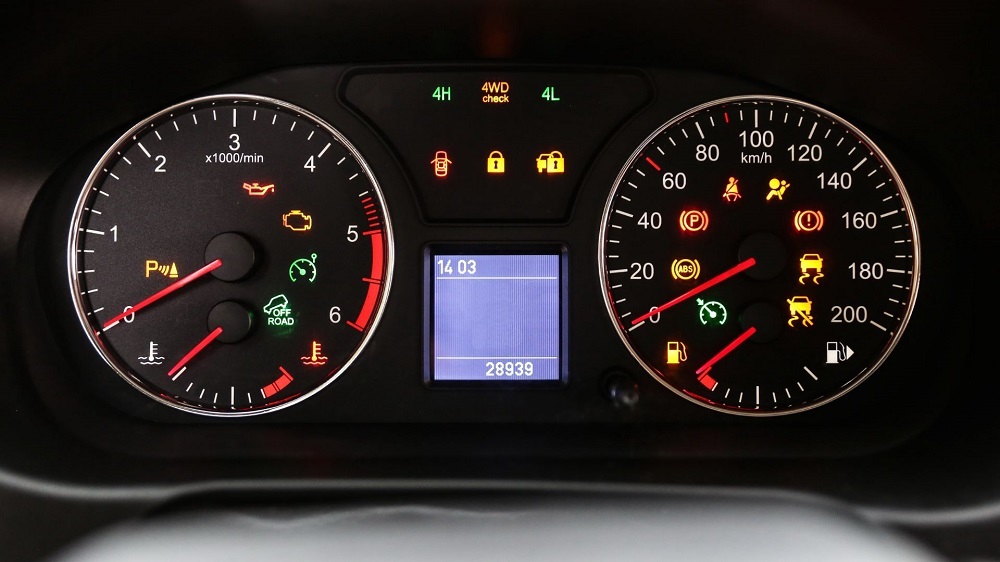
Introduction to Car Dashboard Warning Lights
Car dashboard warning lights are essential communication signals between your vehicle and you. These indicators alert drivers about the vehicle’s health, safety status, and system performance. Understanding what each warning light means helps prevent costly repairs, improves driving safety, and ensures timely maintenance.
Modern vehicles include multiple electronic sensors that monitor engine performance, braking systems, fuel levels, battery condition, and tire pressure. When a system detects an issue, the dashboard warning light activates to inform the driver immediately.
Why Dashboard Warning Lights Are Important
Dashboard indicators serve as early warning systems. Ignoring them can lead to serious mechanical damage or unsafe driving conditions.
Key reasons these lights matter include:
- They help identify problems before they worsen
- They improve vehicle safety and reliability
- They reduce long term maintenance costs
- They prevent unexpected breakdowns
- They support efficient vehicle performance
Understanding these signals allows drivers to respond quickly and correctly.
Types of Dashboard Warning Lights
Dashboard lights are generally grouped based on urgency and function.
Red Warning Lights
Red lights indicate serious issues that require immediate attention. Continuing to drive may damage the vehicle or compromise safety.
Common red warning lights include:
- Engine overheating warning
- Brake system warning
- Oil pressure warning
- Airbag system alert
- Battery charging system warning
If a red light appears, it is usually safest to stop the vehicle as soon as possible and inspect the issue.
Yellow or Amber Warning Lights
Yellow warning lights signal caution. These alerts indicate that something requires checking soon but may not need immediate stopping.
Examples include:
- Check engine indicator
- Tire pressure monitoring alert
- Anti lock braking system warning
- Stability control warning
- Fuel system alert
Drivers should schedule inspection or servicing when these lights appear.
Green and Blue Indicator Lights
Green and blue lights indicate normal system operation rather than faults.
Typical examples include:
- Headlight activation indicator
- Cruise control status light
- Turn signal indicators
- High beam headlights indicator
These lights simply confirm that specific functions are active.
Most Common Dashboard Warning Lights Explained
Understanding the most frequent warning symbols helps drivers react appropriately during daily driving.
Check Engine Warning Light
This indicator signals potential issues with the engine or emission system. Causes may include sensor failure, loose fuel cap, or engine malfunction.
Recommended action:
- Check fuel cap tightness
- Monitor vehicle performance
- Schedule diagnostic inspection
Oil Pressure Warning Light
This light indicates low engine oil pressure, which can cause serious engine damage if ignored.
Recommended action:
- Stop driving immediately if possible
- Check oil level
- Refill oil if necessary
- Seek mechanical assistance if light remains active
Battery Warning Light
The battery indicator warns about charging system problems such as alternator failure or weak battery connections.
Recommended action:
- Turn off non essential electronics
- Visit a service center promptly
Tire Pressure Warning Light
Low tire pressure affects vehicle stability and fuel efficiency.
Recommended action:
- Check tire pressure
- Inflate tires to recommended levels
- Inspect tires for punctures
Brake System Warning Light
This alert indicates problems with brake fluid level or braking system performance.
Recommended action:
- Stop driving safely
- Inspect brake fluid level
- Seek professional inspection
Less Common but Important Warning Lights
Some indicators appear less frequently but should still be understood.
Examples include:
- Traction control warning light
- Airbag system warning light
- Transmission temperature warning
- Coolant level warning
- Power steering system warning
These alerts usually require professional diagnostics.
What To Do When a Warning Light Appears
Drivers should follow a structured response when dashboard lights activate.
Recommended steps:
- Identify the symbol from the owner manual
- Observe vehicle performance changes
- Reduce speed if necessary
- Stop safely for serious warnings
- Schedule inspection if warning persists
Responding quickly reduces repair costs and improves safety.
Tips To Prevent Dashboard Warning Lights
Preventive maintenance reduces the chances of warning indicators appearing unexpectedly.
Helpful practices include:
- Regular engine oil checks
- Maintaining proper tire pressure
- Inspecting battery terminals
- Servicing braking systems routinely
- Following manufacturer maintenance schedules
Consistent care keeps the vehicle operating smoothly.
How Dashboard Technology Is Changing in Modern Cars
Modern vehicles now feature digital instrument clusters that provide clearer alerts and real time diagnostics. Some advanced systems display detailed messages instead of simple symbols, helping drivers understand problems faster.
Smart dashboards also integrate navigation alerts, driver assistance notifications, and maintenance reminders into a single display environment.
Conclusion
Dashboard warning lights play a critical role in maintaining vehicle safety and performance. Learning their meanings helps drivers react correctly and avoid unnecessary damage. Regular maintenance combined with awareness of warning indicators ensures a safer and more reliable driving experience.
Frequently Asked Questions
Can I continue driving with a check engine warning light on
It depends on the severity of the issue. If the vehicle drives normally, short distance travel may be possible, but inspection should be scheduled soon.
Why does the tire pressure warning light stay on after inflating tires
The system may require resetting or one tire may still be underinflated.
Is it safe to drive when the battery warning light appears
Driving for long periods is not recommended because the charging system may fail completely.
What causes the oil pressure warning light to turn on suddenly
Low engine oil level, oil pump failure, or internal engine issues may trigger the warning.
Do dashboard warning lights differ between car models
Yes, symbols may vary slightly depending on manufacturer and vehicle technology level.
How often should I check dashboard warning lights manually
Drivers should observe dashboard indicators during every start up and while driving regularly.
Can dashboard warning lights turn off automatically after repairs
Yes, once the issue is resolved, many warning lights reset automatically or after system scanning by technicians.