

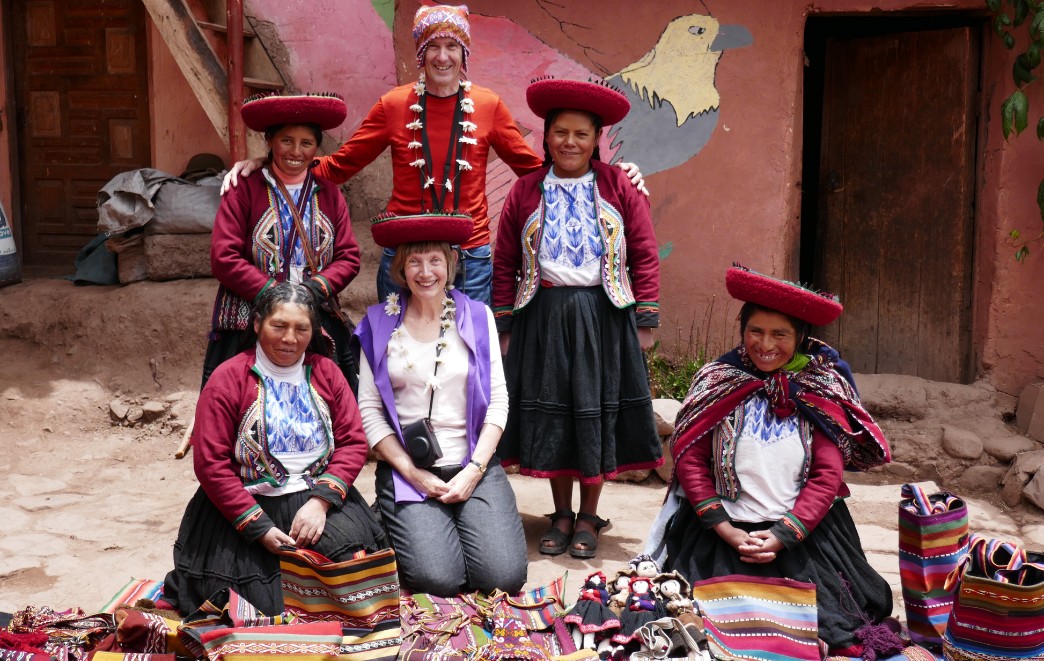
Cultural travel offers a meaningful way to experience destinations beyond typical sightseeing. Instead of focusing only on landmarks, travelers engage with local traditions, customs, arts, and everyday lifestyles that shape a region’s identity. This approach encourages deeper understanding, respectful interaction, and memorable experiences that go beyond surface-level tourism.
As global travel becomes more accessible, many travelers are choosing cultural journeys that highlight authenticity, heritage preservation, and community connection.
What Is Cultural Travel
Cultural travel refers to visiting destinations with the intention of learning about and participating in local traditions, values, and ways of life. It includes experiences such as attending festivals, tasting regional cuisine, exploring heritage sites, and interacting with local communities.
Unlike conventional tourism, cultural travel emphasizes:
- Learning through observation and participation
- Respecting local customs
- Supporting traditional practices
- Building connections with communities
This approach helps travelers understand how culture shapes everyday life across different regions.
Why Cultural Travel Matters Today
Cultural travel supports both personal enrichment and community sustainability. It allows travelers to explore diversity while helping protect traditions that might otherwise decline over time.
Key reasons cultural travel is gaining popularity include:
- Growing interest in authentic travel experiences
- Increased awareness of heritage preservation
- Support for local artisans and small businesses
- Opportunities for educational travel
- Desire for meaningful interactions rather than passive sightseeing
These motivations are reshaping how people plan trips around the world.
Experiencing Local Traditions Through Festivals
Festivals provide one of the most direct ways to understand cultural identity. They reflect historical events, religious beliefs, seasonal cycles, and community values.
Travelers can experience traditions through:
- Folk music performances
- Traditional dance ceremonies
- Regional food celebrations
- Religious processions
- Seasonal harvest festivals
Participating respectfully in such events helps visitors appreciate the rhythm of local life and shared cultural memory.
Learning Through Traditional Cuisine
Food is a powerful expression of culture. Regional recipes often reflect geography, climate, and historical influences that shaped a community over generations.
Cultural travelers often explore traditions by:
- Visiting local markets
- Joining cooking workshops
- Eating in family-run restaurants
- Sampling seasonal specialties
- Learning about ingredient sourcing methods
These experiences provide insight into everyday lifestyles that guide culinary traditions.
Discovering Heritage Through Architecture and Art
Architecture and artistic expression reveal how societies evolved across time. Cultural travel encourages visitors to explore structures and artworks that represent historical identity.
Examples include:
- Ancient temples and monuments
- Historic neighborhoods
- Traditional homes
- Craft workshops
- Community museums
Such spaces often preserve stories that define regional heritage.
Supporting Local Crafts and Artisans
Handcrafted goods represent generations of knowledge passed through families and communities. Purchasing traditional crafts helps sustain these skills and strengthens local economies.
Travelers can support artisans by:
- Visiting village craft centers
- Buying handmade textiles
- Exploring pottery workshops
- Learning about traditional weaving techniques
- Attending artisan demonstrations
These activities help maintain cultural continuity across generations.
Engaging With Local Communities Respectfully
Respectful interaction is essential when exploring traditions in unfamiliar environments. Cultural travel encourages understanding rather than observation from a distance.
Responsible travelers often:
- Learn basic local greetings
- Follow community customs
- Dress appropriately when required
- Ask permission before photographing people
- Support locally owned businesses
These actions strengthen trust between visitors and host communities.
Benefits of Cultural Travel for Travelers
Cultural travel creates lasting impressions that extend beyond photographs and souvenirs. It encourages deeper awareness of global diversity and personal reflection.
Important benefits include:
- Broader cultural understanding
- Greater appreciation for heritage preservation
- Meaningful travel memories
- Stronger global perspective
- Opportunities for lifelong learning
These experiences often shape how travelers approach future journeys.
Benefits of Cultural Travel for Local Communities
Communities also benefit when cultural tourism is practiced responsibly. It supports both economic development and cultural preservation.
Positive impacts include:
- Increased income for artisans
- Protection of traditional knowledge
- Encouragement of heritage conservation
- Employment opportunities in rural areas
- Promotion of regional identity
When managed thoughtfully, cultural tourism strengthens community resilience.
Challenges in Cultural Travel
While cultural travel offers many advantages, it requires careful planning to avoid negative impacts on local traditions.
Common challenges include:
- Overcrowding at heritage sites
- Misrepresentation of cultural practices
- Commercialization of traditions
- Environmental pressure on historic locations
- Cultural misunderstandings between visitors and residents
Awareness and respectful behavior help reduce these concerns.
Tips for Planning a Cultural Travel Experience
Travelers can prepare more effectively by approaching cultural exploration with curiosity and sensitivity.
Helpful planning strategies include:
- Researching local customs before arrival
- Visiting community-led cultural centers
- Choosing locally guided experiences
- Supporting heritage conservation programs
- Traveling during authentic seasonal events rather than peak tourist periods
Thoughtful preparation improves both learning and enjoyment.
The Role of Cultural Travel in Sustainable Tourism
Cultural travel contributes to sustainable tourism by encouraging responsible engagement with communities and heritage sites. It promotes travel experiences that respect both people and places while preserving traditions for future generations.
As travelers increasingly seek meaningful experiences, cultural tourism continues to play a central role in shaping responsible global travel practices.
Frequently Asked Questions
1. How can travelers identify authentic cultural experiences when visiting a destination
Authentic experiences are usually community-led, locally operated, and connected to everyday traditions rather than staged performances designed only for tourists.
2. Is cultural travel suitable for family trips with children
Yes. Cultural travel can be educational for children through exposure to food traditions, storytelling, crafts, and festivals that encourage curiosity and learning.
3. What should travelers wear when visiting culturally sensitive locations
Visitors should choose modest clothing that respects local expectations, especially when entering religious sites or traditional communities.
4. How can travelers avoid unintentionally disrespecting local customs
Learning basic etiquette before arrival and observing how residents behave in public spaces helps travelers interact respectfully.
5. Are language barriers a major challenge during cultural travel
Language differences can exist, but gestures, translation tools, and guided experiences often help travelers communicate effectively.
6. How does cultural travel differ from heritage tourism
Cultural travel focuses on living traditions and everyday lifestyles, while heritage tourism often centers on historical monuments and preserved sites.
7. Can cultural travel support environmental sustainability as well
Yes. Many cultural tourism initiatives encourage responsible resource use, protect historic environments, and promote locally produced goods that reduce transportation impact.