

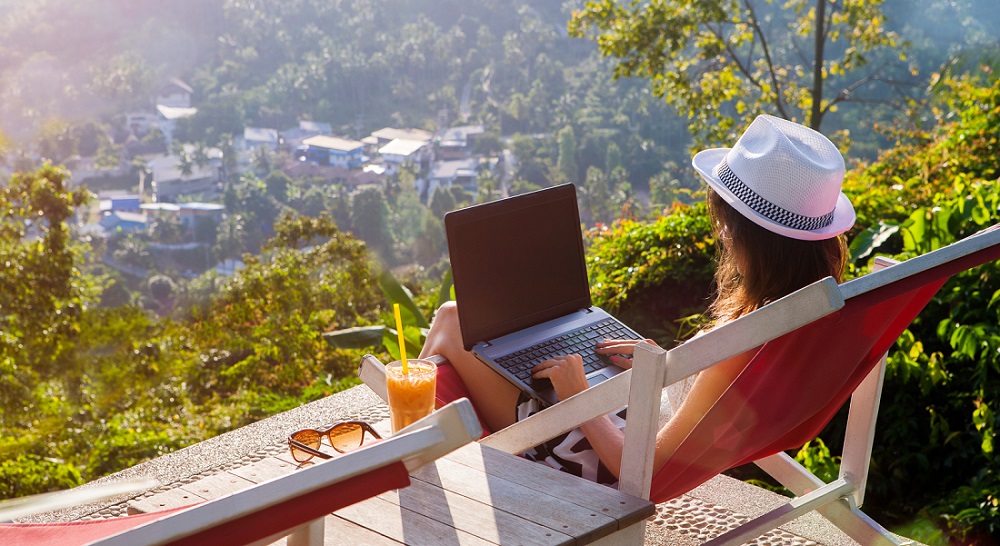
The ability to work from anywhere has transformed how professionals approach careers and travel. Digital nomads combine remote employment with location independence, allowing them to earn a stable income while exploring different countries and cultures. This lifestyle is no longer limited to freelancers. Employees, consultants, creators, and entrepreneurs are increasingly choosing remote mobility as a long-term strategy.
Working globally while traveling requires preparation, discipline, reliable infrastructure, and adaptable routines. With the right systems in place, digital nomads maintain productivity while moving between destinations.
What It Means to Work as a Digital Nomad
A digital nomad works remotely using internet-based tools while living temporarily in different locations instead of staying in one permanent home.
Typical characteristics include:
- Performing work through laptops and cloud platforms
- Communicating with teams through virtual collaboration tools
- Relocating frequently between cities or countries
- Managing flexible schedules across time zones
- Maintaining income independent of physical office presence
The lifestyle focuses on mobility without sacrificing professional stability.
Types of Jobs Digital Nomads Commonly Do
Not every profession supports remote travel, but many modern careers function entirely online.
Popular digital nomad careers include:
Technology roles
- Software development
- Web design
- App development
- Data analysis
Creative work
- Content writing
- Graphic design
- Video editing
- Photography services
Business and support services
- Virtual assistance
- Online consulting
- Social media management
- Digital marketing
Education and training
- Online tutoring
- Language instruction
- Course creation
These roles depend primarily on digital delivery rather than physical presence.
Essential Tools Digital Nomads Use to Stay Productive
Working across borders requires dependable tools that support communication, organization, and workflow continuity.
Key productivity tools include:
Communication platforms
- Video meeting software
- Messaging applications
- Email collaboration systems
Project management tools
- Task tracking dashboards
- Shared team calendars
- Workflow automation platforms
Cloud storage systems
- File synchronization services
- Secure document sharing
- Backup storage access
Connectivity solutions
- Portable WiFi devices
- International data plans
- Local SIM cards
Reliable technology ensures uninterrupted work regardless of location.
How Digital Nomads Manage Work While Traveling
Successful digital nomads follow structured routines that balance productivity with mobility.
Common strategies include:
Planning work schedules around time zones
Professionals coordinate meetings according to client or company operating hours.
Choosing destinations with strong internet infrastructure
Cities with reliable connectivity support consistent performance.
Working from coworking spaces
Shared work environments provide professional settings and networking opportunities.
Setting weekly productivity goals
Clear targets maintain accountability despite frequent travel.
Maintaining backup connectivity options
Alternative internet access prevents workflow disruptions.
These practices help sustain reliability across changing environments.
Financial Planning for Global Remote Work
Financial stability is essential for long-term location independence. Digital nomads manage income streams carefully while adapting to varying living costs across destinations.
Important financial practices include:
- Maintaining emergency savings
- Tracking currency exchange differences
- Using international banking solutions
- Monitoring travel-related expenses
- Budgeting accommodation and workspace costs
Many nomads select destinations where the cost of living aligns with their income structure.
Accommodation Options Digital Nomads Prefer
Housing flexibility supports mobility while maintaining comfort and productivity.
Popular accommodation choices include:
Short-term rentals
These provide privacy and workspace flexibility.
Coliving spaces
Shared environments encourage networking with other remote professionals.
Extended hotel stays
Some hotels offer work-friendly packages for longer visits.
Hostels with work areas
Budget-friendly locations often include dedicated workspace zones.
Selecting the right accommodation depends on work requirements and travel duration.
Challenges Digital Nomads Face While Working Globally
Although the lifestyle offers freedom, it also presents practical challenges that require preparation.
Common obstacles include:
- Unstable internet access in remote areas
- Visa and legal work restrictions
- Managing multiple time zones
- Maintaining consistent routines
- Balancing travel excitement with professional focus
Awareness of these issues helps digital nomads develop sustainable travel strategies.
Skills Needed to Succeed as a Traveling Remote Professional
Digital nomads rely on both technical expertise and personal discipline.
Essential skills include:
Time management
Organizing tasks efficiently across shifting schedules
Adaptability
Adjusting quickly to unfamiliar environments
Communication clarity
Maintaining strong collaboration remotely
Financial awareness
Managing international expenses responsibly
Self motivation
Maintaining productivity without supervision
These skills support long-term success in global remote careers.
Frequently Asked Questions
Is the digital nomad lifestyle suitable for beginners in remote work
Yes. Many professionals begin with part-time remote roles before transitioning to full travel-based work arrangements.
Do digital nomads need special visas to work internationally
Some countries offer remote work visas designed specifically for location-independent professionals, while others require tourist or short-term entry compliance.
How do digital nomads handle healthcare while traveling abroad
Travel insurance plans and international health coverage help manage medical needs during extended stays overseas.
Can digital nomads maintain long-term career growth
Yes. Many professionals advance their careers through remote leadership roles, consulting opportunities, and global networking exposure.
What internet speed is considered reliable for remote travel work
A stable connection suitable for video meetings and cloud-based collaboration is typically sufficient for most remote professions.
How often do digital nomads usually change locations
Some move monthly, while others stay several months in each destination depending on workload and visa conditions.
Is coworking necessary for digital nomads
It is not mandatory, but coworking environments often improve productivity and provide opportunities to connect with other professionals.